Guides / Finishing
Which Anodising Defect Is This, and Whose Problem Is It?
October 29, 2026
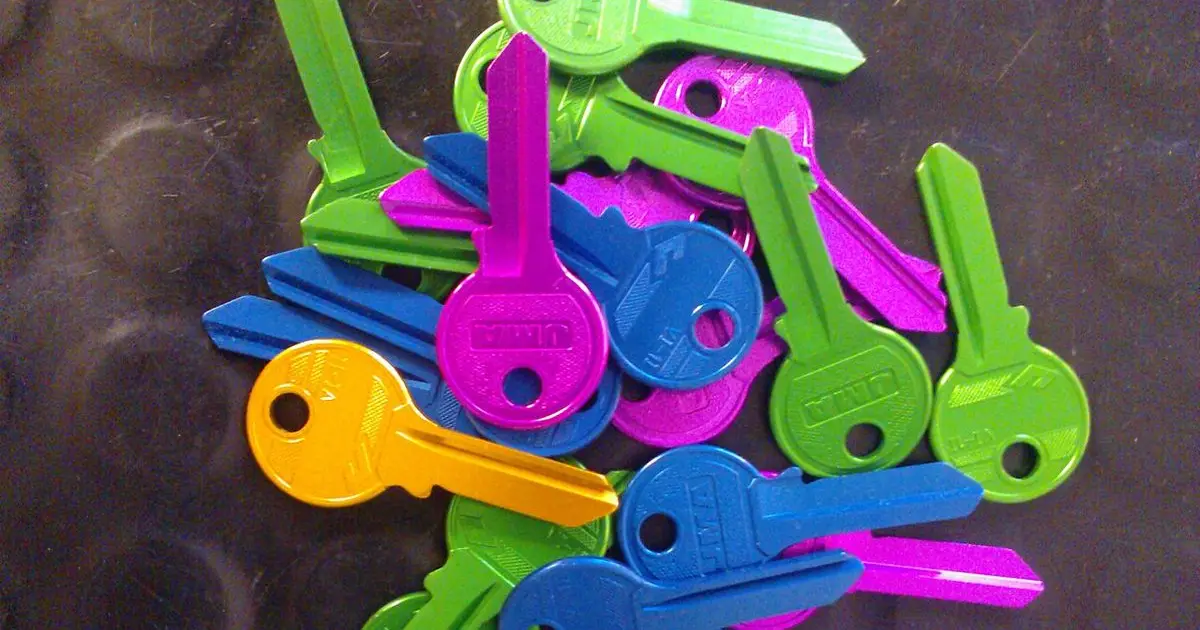
Anodising defects on a machined keyboard case fall into a few families, and each has a usual cause. White spots and pits point to trapped solution or bath contamination. Streaks along the grain point to the metal and the etch. Rough or lighter patches at corners point to burning. Blotchy colour points to dyeing and rinsing. Knowing the family tells you who to ask and what to change on the next run.
This guide matches each symptom to the causes finishers report, shows what to ask the anodiser and sets out how to decide whose problem a reject is. The causes come from practitioner threads and trade references. They are directional, not test data, and no photograph can prove a cause, so treat them as a way to ask better questions.
Diagnose by symptom
| What you see | Usual cause finishers report | First question to ask |
|---|---|---|
| White spots, round or irregular | Acid or solution trapped in pores or recesses bleeding out during dye or seal. Seal salts that wipe off. Chlorides in rinse or dye water | Do the spots wipe off? Do they appear on every load? |
| Streaks along the extrusion direction | Extrusion structure or quench, made visible by the etch | Was the stock from one lot, and was there a sample from it? |
| Rough, frosty or lighter grey patch at corners | Current too high for the bath and the part, or poor rack contact | Where were the contact points, and how was current ramped? |
| Blotchy or mottled dye | Uneven dye temperature, poor circulation, contamination carried from earlier steps | Was every part in the same dye load? |
| Two parts that do not match | Alloy or lot differences, coating thickness, different loads | Were matching parts anodised together from one lot of metal? |
The Aluminum Anodizers Council keeps a members-only defects database with 14 named defects. Its public list includes dye bleed-out, mottling, water staining, segregation streaking, network cracking and the two pitting types known as star-shaped and moat-and-castle. The causes sit behind the membership, so the sections below rely on open sources.
White spots and pits
White spots are the defect keyboard builders photograph most often, because they stand out on a dark finish.
A long finishing.com thread on white spots collects the views of many finishers. The most common explanation is that machining opens porosity, which traps sulphuric acid or other process solution. The acid later bleeds out during dyeing or sealing and leaves a spot. Other causes raised in the same thread include calcium or chlorides in the dye or seal, chlorides from tap water, high dissolved aluminium in the bath, dirty rinse water and galvanic effects during dyeing.
Two quick checks help. If the spot wipes off, it is probably a salt from the seal. If it does not and the shape is round, suspect surface residue or a blister. The remedies in that thread include a nitric acid dip before dyeing, longer or alternating hot and cold rinses and avoiding aggressive etching that removes the skin of the metal and increases porosity.
For a buyer, this means that deep pockets, tapped holes and freshly cut faces can hold solution, so the rinse and neutralise steps matter. Ask what the shop does there before you compare quotes on price alone.
Streaks and grain lines
Streaks usually appear only after anodising, which is why they feel like the finisher’s fault. A finishing.com thread on 6061-T6 housings machined from extrusions describes axial streaks after clear Type II anodising on parts that looked uniform before. The proposed causes include the alkaline etch emphasising grain structure, the extrusion itself and improper quenching after extrusion. One answer notes that anodising only reveals flaws that were already there.
The Aluminum Anodizers Council lists segregation streaking in its defect names and says the structural streaking can be found in both extrusions and sheet. Cases are commonly cut from plate, so ask what the shop cut your case from and whether it has anodised that stock before. Our aluminium plate stock guide covers what that stock choice does to cost.
A practical rule: if the streaks follow one direction across several parts, suspect the metal. If they differ from part to part, suspect the process.
Burn marks
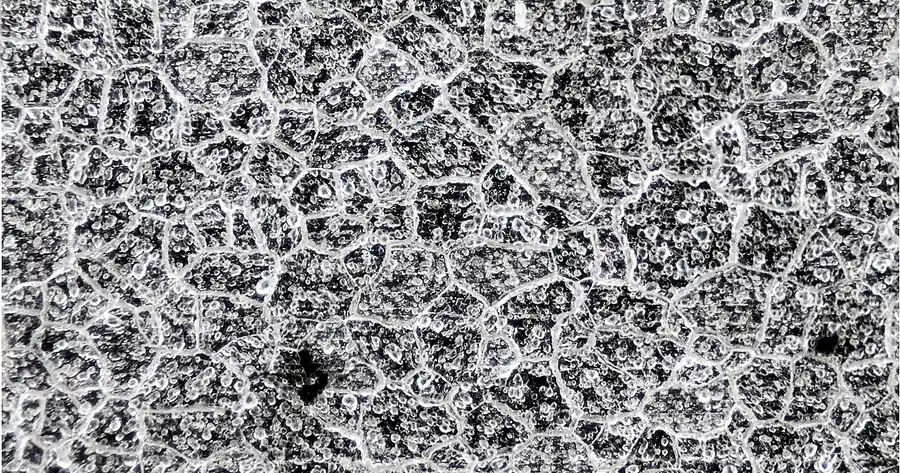
Burning is a rough, frosty or lighter patch that appears where the process ran faster than the part could support. In a hard anodising thread on finishing.com, practitioners describe burning at high-current-density spots such as corners, the bottom of the rack and contact points. They give current density that is too high for the bath temperature and alloy, poor rack contact and weak agitation as the main causes.
The mechanism matters because it explains why shops talk about racks. The anodic film resists current, so the voltage is ramped up as the coating grows. If a part makes poor contact early, it gets little coating, and a breakthrough at higher voltage can cause a sudden surge and a burn. That thread concerns hard anodising, which Wikipedia notes runs in a refrigerated tank at higher voltages than thinner coatings. Type II is the usual case finish and runs more gently, but the cause and effect are the same.
Two drawing decisions reduce the risk. Break sharp external edges, because corners take the most current. Tell the shop which faces may carry a rack contact mark, because the rack must touch the part to carry current and the mark has to go somewhere. SAF’s published guidance lists racking and the current-carrying area among the variables that affect finish.
Blotchy dye and colour mismatch
A uniform dye needs uniform conditions. A fabricator’s guide to uneven anodised colour (directional, a commercial source) notes that uneven dye temperature or poor circulation in the dye tank causes streaks and blotches. SAF lists dye saturation, dye time, solution concentration and temperature, etch type and time and load size among the variables that affect colour.
Alloy variation is the other half. Writing in The Construction Specifier, a Linetec marketing specialist calls the variance of metal constituents in an alloy the major reason for colour variation, and advises one metal source and a single lot per project. That advice is written for architectural work, but a case set of top, bottom and weight has the same problem. Choosing between 6061 and 6063 and how colour shifts in anodising cover the material side in more detail. Specifying the finish up front matters more than any later fix.
Ask the anodiser these questions
Most of the information below costs the shop one email to answer.
- How are parts racked, and where are the contact points on this part?
- How is current ramped, and is it controlled by current or by voltage?
- How often is the bath analysed for dissolved aluminium and chlorides?
- What rinse sequence follows anodising and precedes dye?
- Will all matching parts run together in one load from one lot of metal?
- Can you anodise a sample from my stock before the run?
The answers tell you how the shop controls the process, which tells you how much cosmetic scrap to expect.
Whose problem is a reject
Decide this before the order, not after. Four causes cover almost every reject.
- Metal defect: streaks or spots from the stock. A buyer who specified the alloy and lot should settle this with the shop that bought the stock.
- Machining defect: burrs, tool marks or porosity opened by the cut. This is the machinist’s side.
- Finishing defect: burns, uneven dye or contamination. This is the anodiser’s side, and the machine shop usually carries the relationship.
- Specification gap: a defect no document defined as unacceptable. This falls on the buyer.
The easiest gap to close is the last one. Write a cosmetic standard with zones, viewing conditions and defect limits, and attach the copy-and-paste cosmetic standard to the drawing. Agree the scrap and overage rule at the same time. Shops can read how scrap is priced from their side.
If you want to compare shops on a drawing before settling the standard, send the files through the RFQ form. We match the request with up to 3 shops and reply within 24 business hours.
Sources
- Aluminum Anodizers Council, defects database (public list of 14 defects)
- finishing.com, white spots on anodized aluminum (reader Q&A)
- finishing.com, streaks and spots on 6061 and 6063 (reader Q&A)
- finishing.com, burning in hard anodizing (reader Q&A)
- SAF, appearance and colour variation in anodised aluminium
- The Construction Specifier, avoiding colour variation in anodised finishes
- Wikipedia, anodizing
- Richconn, why anodised parts have uneven colour (commercial, directional)
Forum answers are practitioners’ opinions and are labelled directional. Agree a defect standard in writing with your shop.
Frequently asked questions
What causes white spots on an anodised keyboard case?
The most common explanation from finishers is acid or process solution trapped in tiny pores or recesses of the metal, which bleeds out during dyeing or sealing. Machining can open that porosity. Salts from the seal can also leave white marks, and those usually wipe off. Round spots that cannot be wiped off point to surface residue or contamination.
Why do streaks appear after anodising when the case looked clean?
Anodising is transparent, so it shows structure that machining hid. Streaks along the extrusion direction on 6061-T6 are often traced to the extrusion itself or to the etch that exposes grain structure. The anodiser can reduce them but cannot always remove them. Ask for a sample from the same stock before the run.
What is burning in anodising?
Burning is a rough, frosty or lighter grey patch where the current ran too high for the bath and the part, usually at corners, sharp edges or poor rack contacts. It happens when conditions cannot support the rate of coating. A slow current ramp, good rack contact and sound agitation are the usual remedies.
Who pays for cosmetic rejects on an anodised run?
It depends on whether the cause was the metal, the machining, the finishing or an unclear specification. Agree a written cosmetic standard and a scrap and overage rule before the order is placed, because an argument after the cases are finished is much harder to settle.
Need a quote for your case?
Send the files. We match you with up to 3 shops that machine keyboard cases and reply within 24 business hours.
Get matched with a keyboard case shop